The uncomfortable truth of 2026: anyone can publish a competent-sounding 1,500-word article in ten minutes. Which means “we publish consistently” stopped being a strategy years ago, and the sites still winning are the ones doing things the flood cannot do. Here is the strategy I actually run on WordPress sites this year, and it is smaller than most people expect.
First: fewer targets, covered completely
The old playbook was keyword lists and volume. The new one is topic depth. Pick a small number of topics where you have genuine first-hand experience, then cover each one completely: the main guide, the checklist, the comparison, the troubleshooting post, the FAQ. Interlinked, so a reader who lands on one stays on three.
Concretely: a site about WordPress performance does not write about “10 productivity tips.” It owns performance — caching, Core Web Vitals, hosting benchmarks, plugin conflicts — every angle, with proof. This is exactly how I structured this site: three pillars, each with its own troubleshooting and performance sections, because scattered coverage ranks for nothing.
The proof layer is the moat
Generic AI content says “optimize your images.” Content that wins says “I tested WebP conversion on a 400-image catalog and the upload step broke — here is the fix.” First-hand specifics: real numbers, real screenshots, real failures. When I document a site migration, I include the part where the license activation broke, because that is the part no rehashed article contains.
Practically: every piece of content you publish in 2026 should contain at least one thing that could only come from actually doing the thing. If a writer cannot name that thing, the piece is not ready.
Update velocity over publish velocity
Search engines increasingly reward maintained content, and your own data will show it: on most sites, 20% of posts drive most traffic, and those posts decay silently. My 2026 cadence is roughly one new piece per week max, with the rest of the time spent updating the winners — refreshing screenshots, fixing dated claims, adding the section readers actually search for and did not exist last year. Deciding when and how to update old posts matters more than deciding what to publish next.
Match the format to the funnel stage
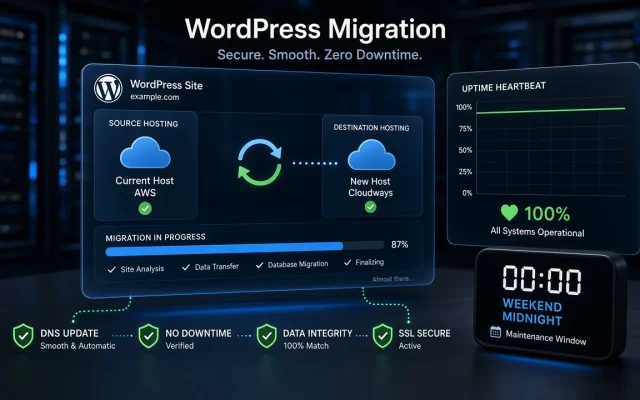
One more shift worth naming: not every piece should be a “blog post.” Checklists, decision guides, and comparison posts do different jobs. A visitor at “should I even migrate my site” needs a decision framework, not a tutorial — that distinction is the entire point of my piece on when to migrate a WordPress site. Map your topics to stages before you map them to keywords.
What I would skip entirely in 2026
- Publishing daily “news” you cannot add insight to.
- Thin listicles targeting keywords you have no experience with.
- Starting topics you will abandon at three posts — incomplete clusters actively drain the rest.
If you are one person running the whole thing, my one-person content plan shows the realistic version of this strategy, and my piece on how many posts a site actually needs covers the volume question most people ask first. Strategy in 2026 is not about producing more. It is about being impossible to replace.
Is blogging still worth it in 2026 with AI content everywhere?
Yes, but only with a proof layer. Generic articles are commodities now; content with first-hand tests, numbers, and failure stories still earns rankings and trust because it cannot be generated.
How many topics should a small WordPress site focus on?
Two to four, covered deeply. A cluster of 15-20 interlinked posts around one topic beats 60 scattered posts across ten topics, both for rankings and for reader trust.
Should I publish new content or update old posts in 2026?
Both, weighted toward updating. Most sites find a small share of posts drives most traffic; refreshing those wins back rankings faster than any new post earns them.
How does AI fit into a 2026 content strategy?
Use it for drafts, outlines, and editing speed, never for the experience layer. The facts, tests, and opinions that differentiate the piece must come from you. My AI workflow guide covers the split.
What content formats perform best on WordPress sites now?
Checklists, decision guides, comparisons, and troubleshooting posts. Each serves a different reader intent, and together they form the complete coverage that topic authority requires.